1990s The New Norfolk Studio
Having spent several years working with restricted colour, or no colour, Benjamin was inspired by the intense ambient colour of Morocco experienced on recent trips. He was intent on finding a way back into the use of the full spectrum. When he and Nancy returned to Kelling, he decided to build a new studio, designed specifically for working on medium to large-size paintings.
He drew up precise plans for a prefabricated insulated wooden structure that would be built at the top of the large garden beyond the big pond. He included a built in, substantial ‘shelf’ to hold the large canvases, with a long roof window above to provide even downlighting and adjacent storage racks for works in progress. Big sliding window doors opened on a full width veranda, a place for relaxation and work when the weather was fine. When the planning permission was granted for a ‘Garden Room’, the sections were made to specifications at Thaxter’s, a very reliable garden buildings firm in Holt. It went exactly as planned; the building was erected in a week, ready for use in less than a month and everything worked as intended.
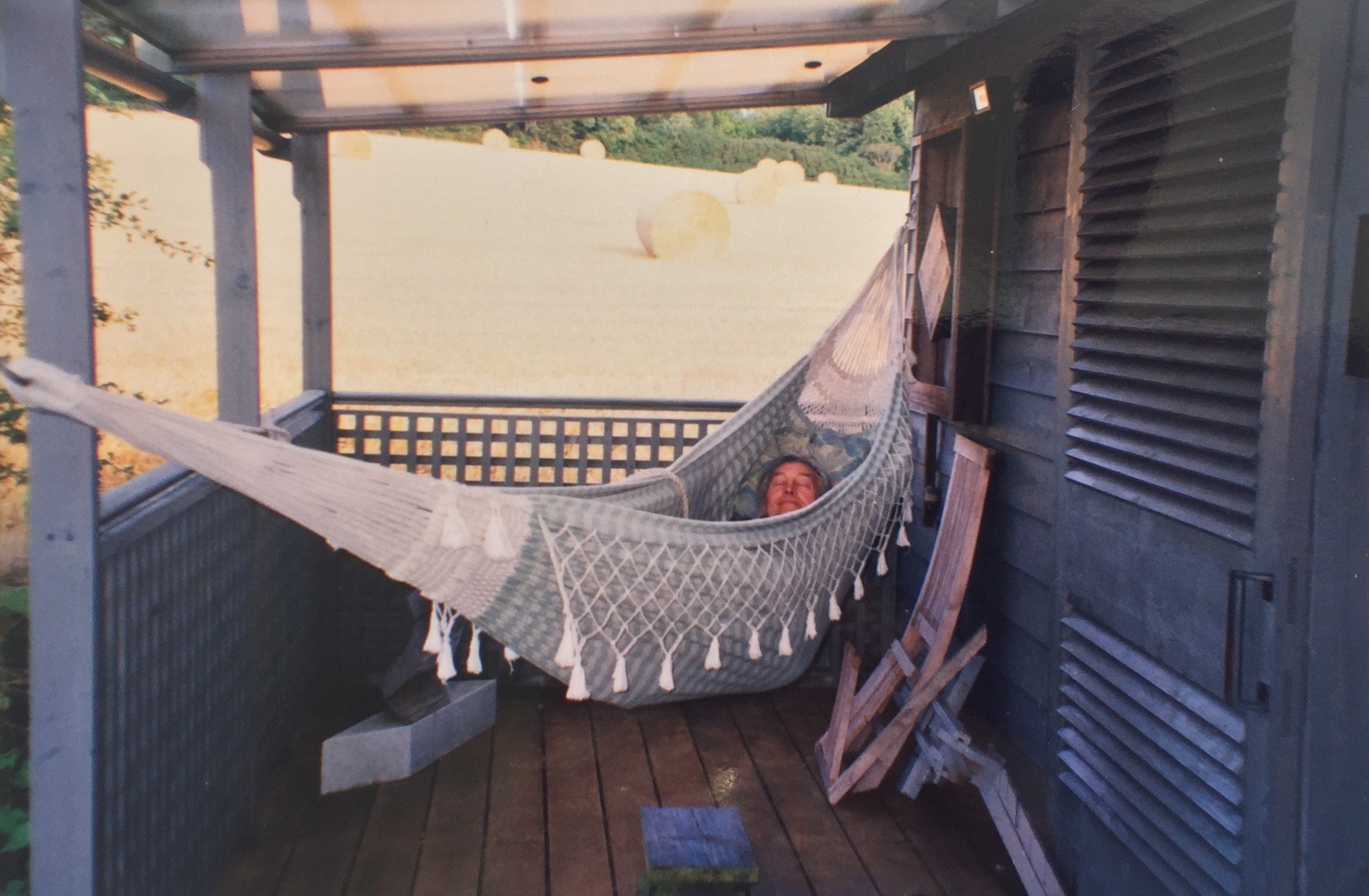
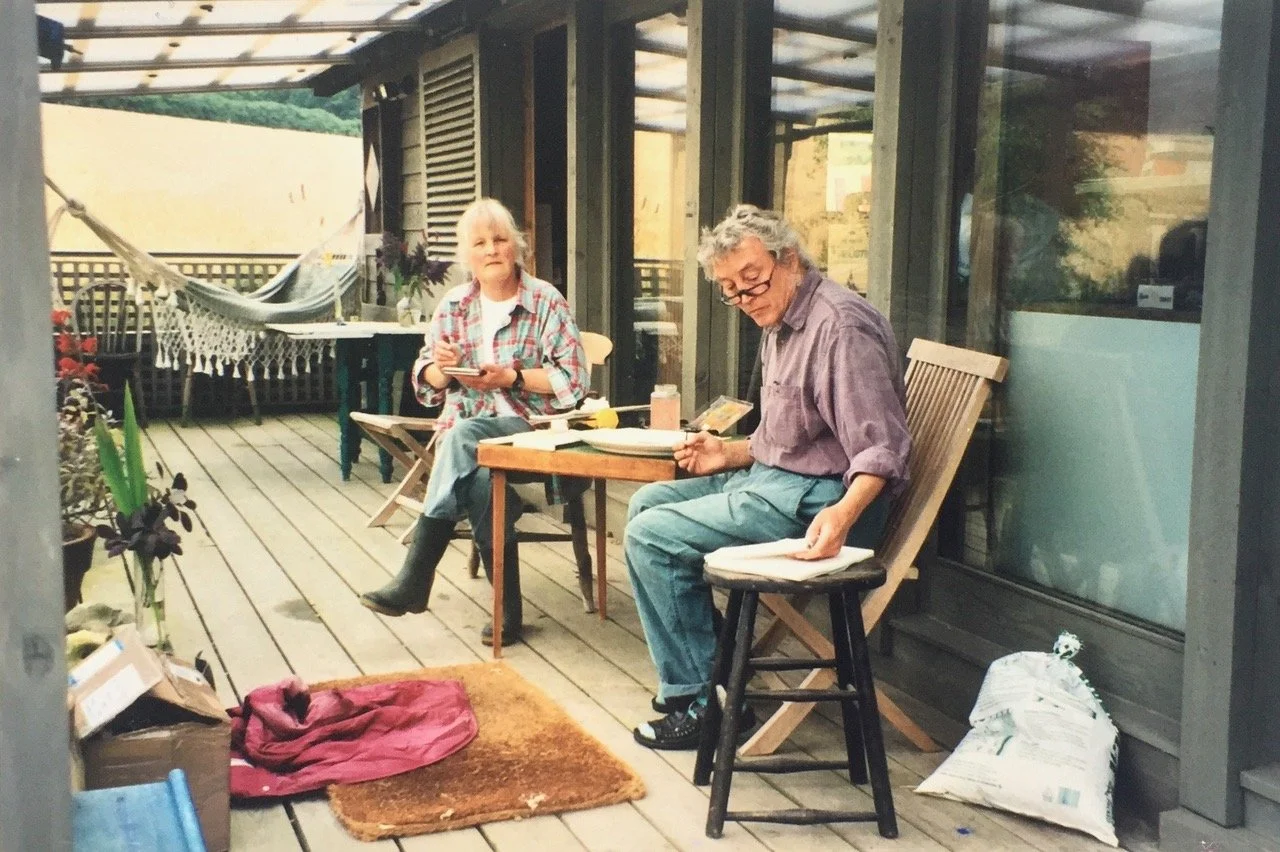
The studio was surrounded by a wild garden, and far enough from the cottage so he was not distracted by domestic issues; sometimes it was possible to hear the sea breaking on Kelling beach. The wide veranda was a perfect place for thinking, sketching, chatting with guests over tea cups or a bottle of wine, or dozing in a hammock from Amsterdam. He was very happy with it all and immediately set to work on some large canvases.
(All photos below by Nancy Patterson)
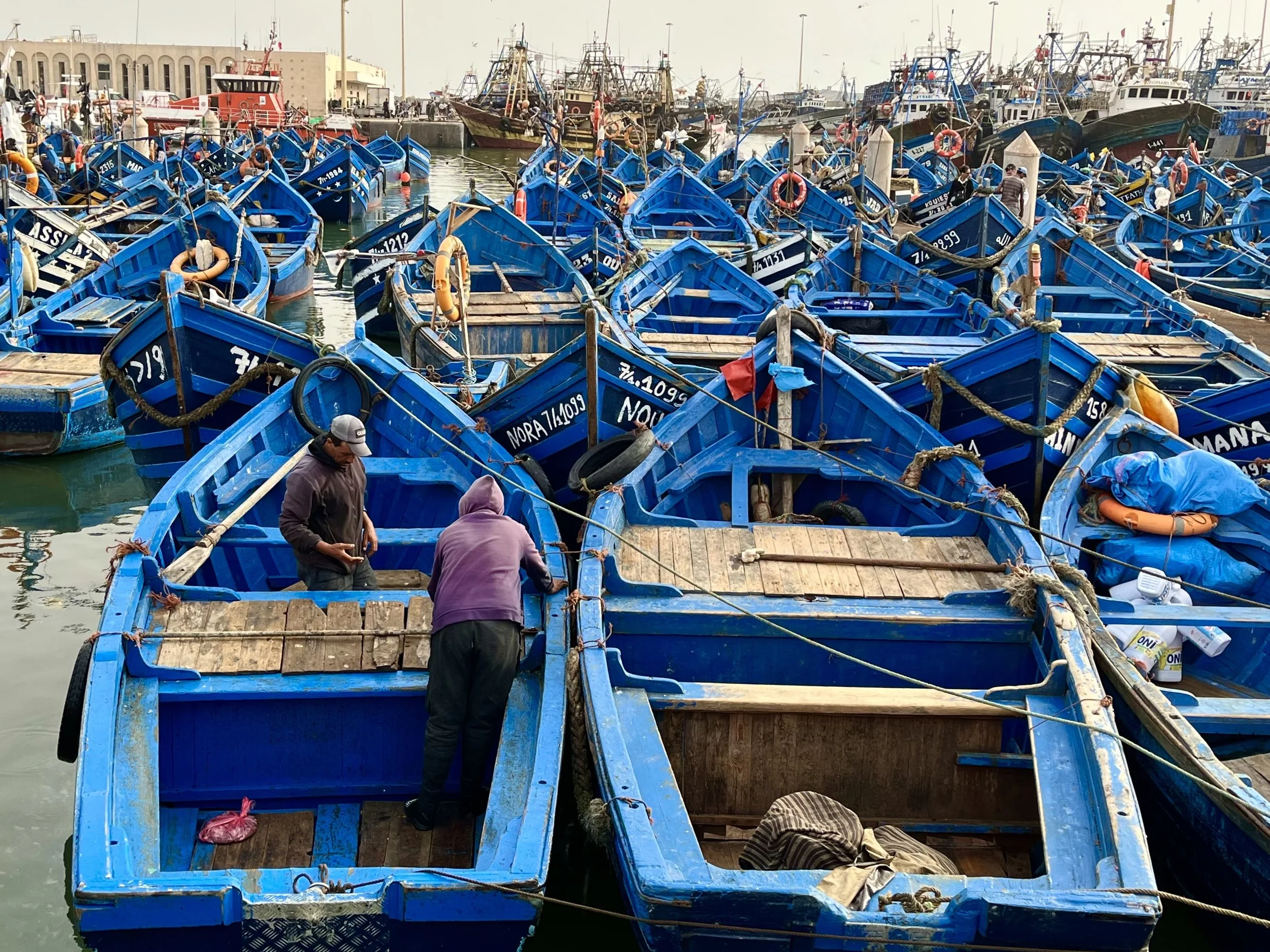
Essaouira, Morocco
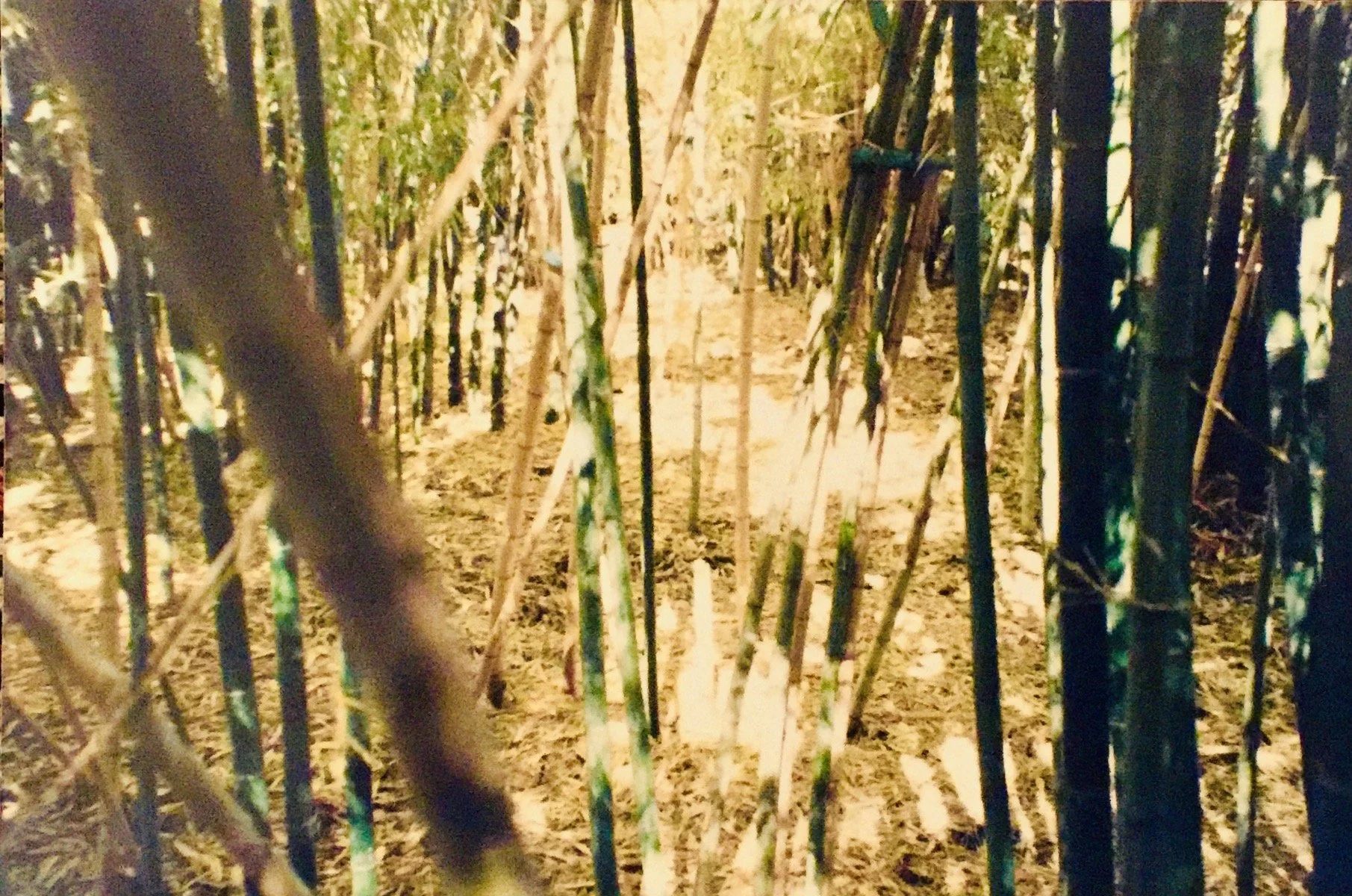
Majorelle Gardens, Marrakesh
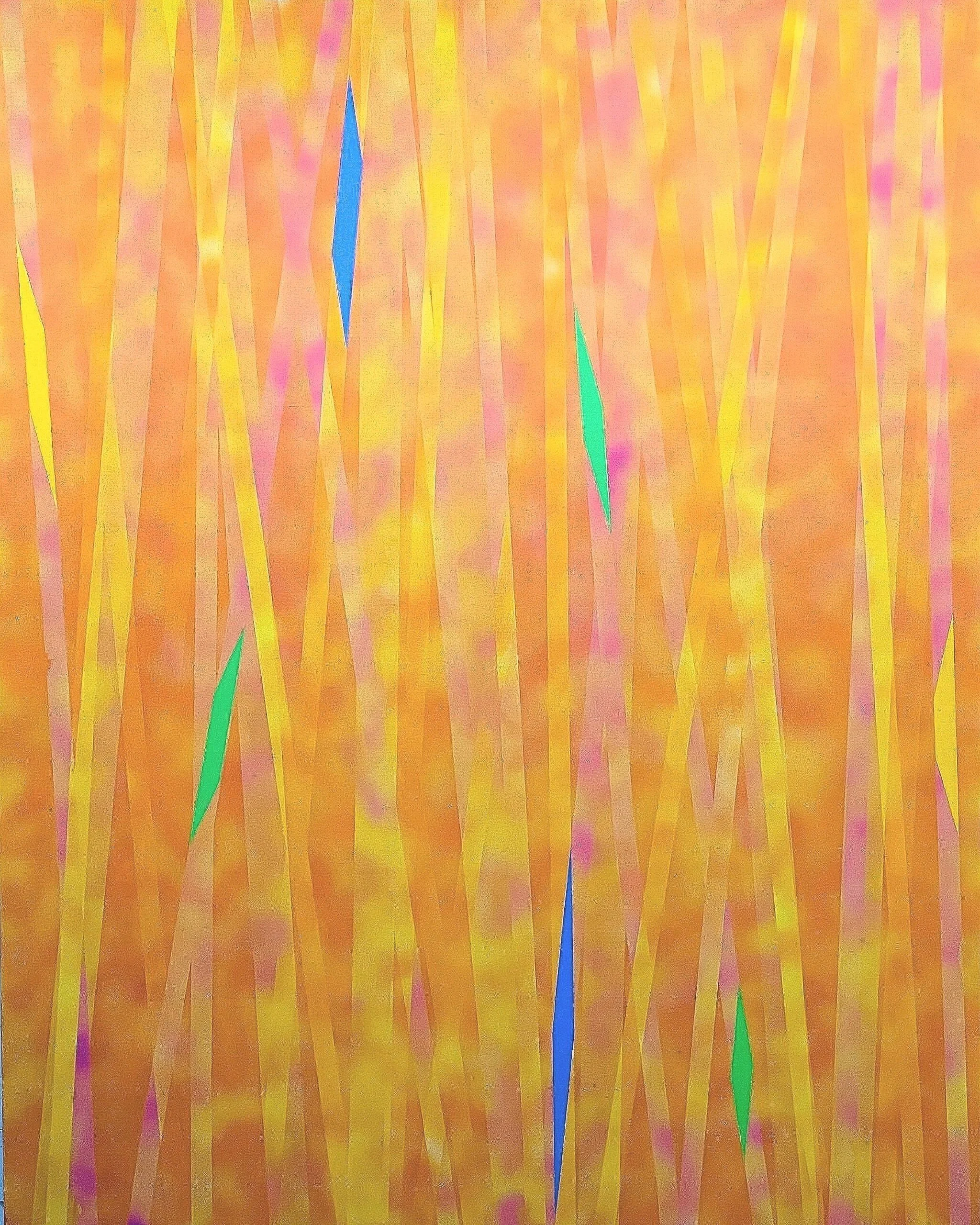
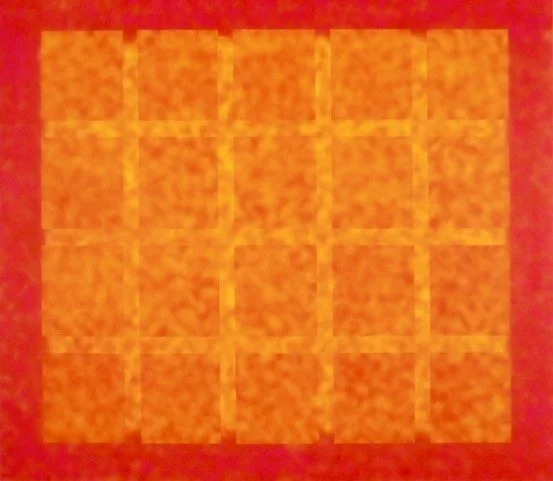
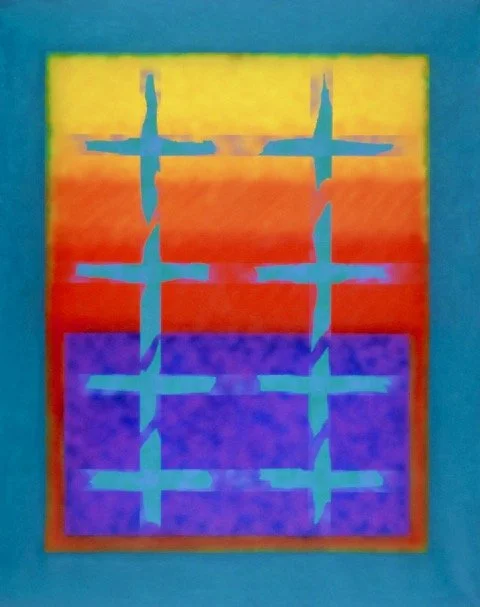
Murinum, 1999, acrylic on canvas
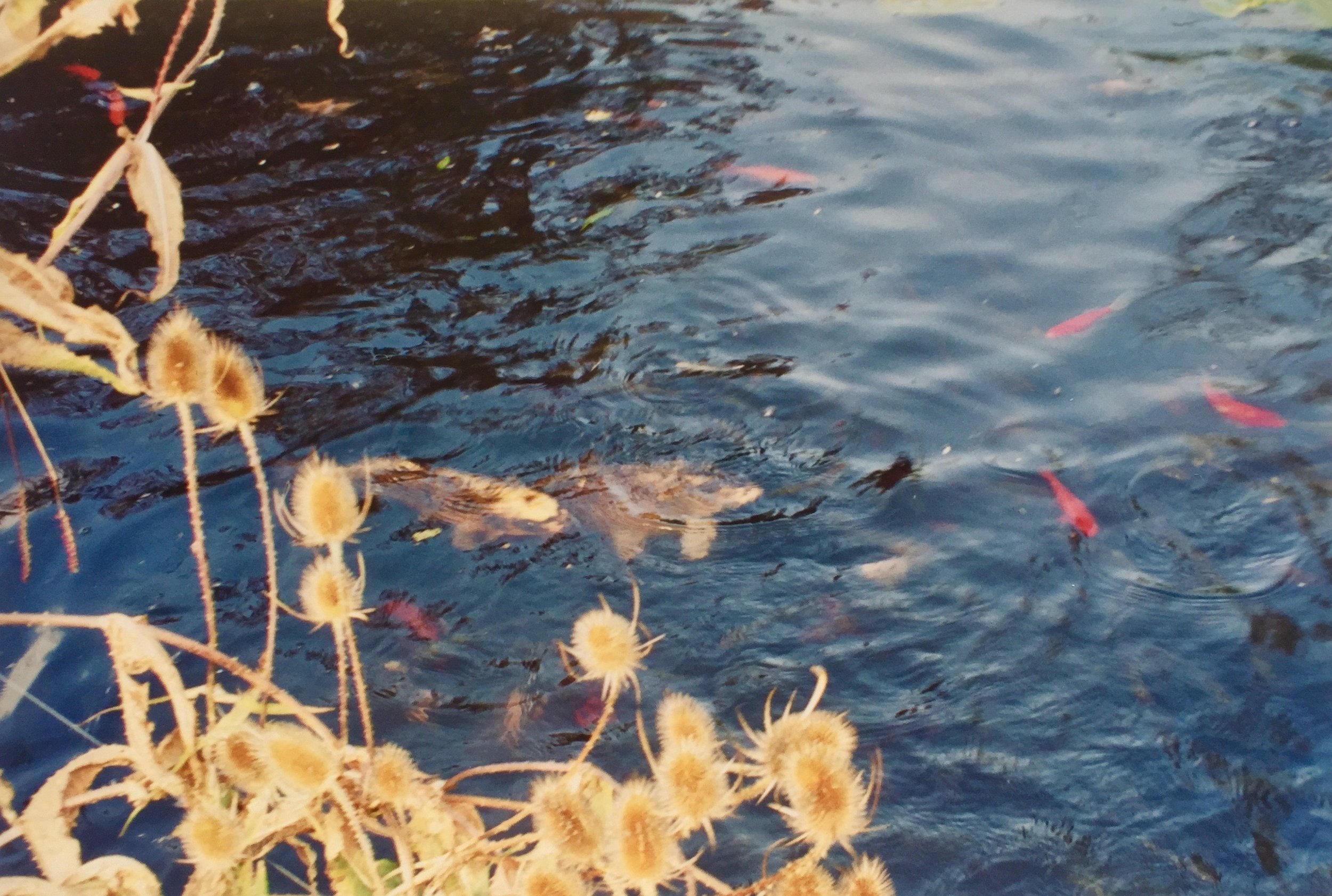
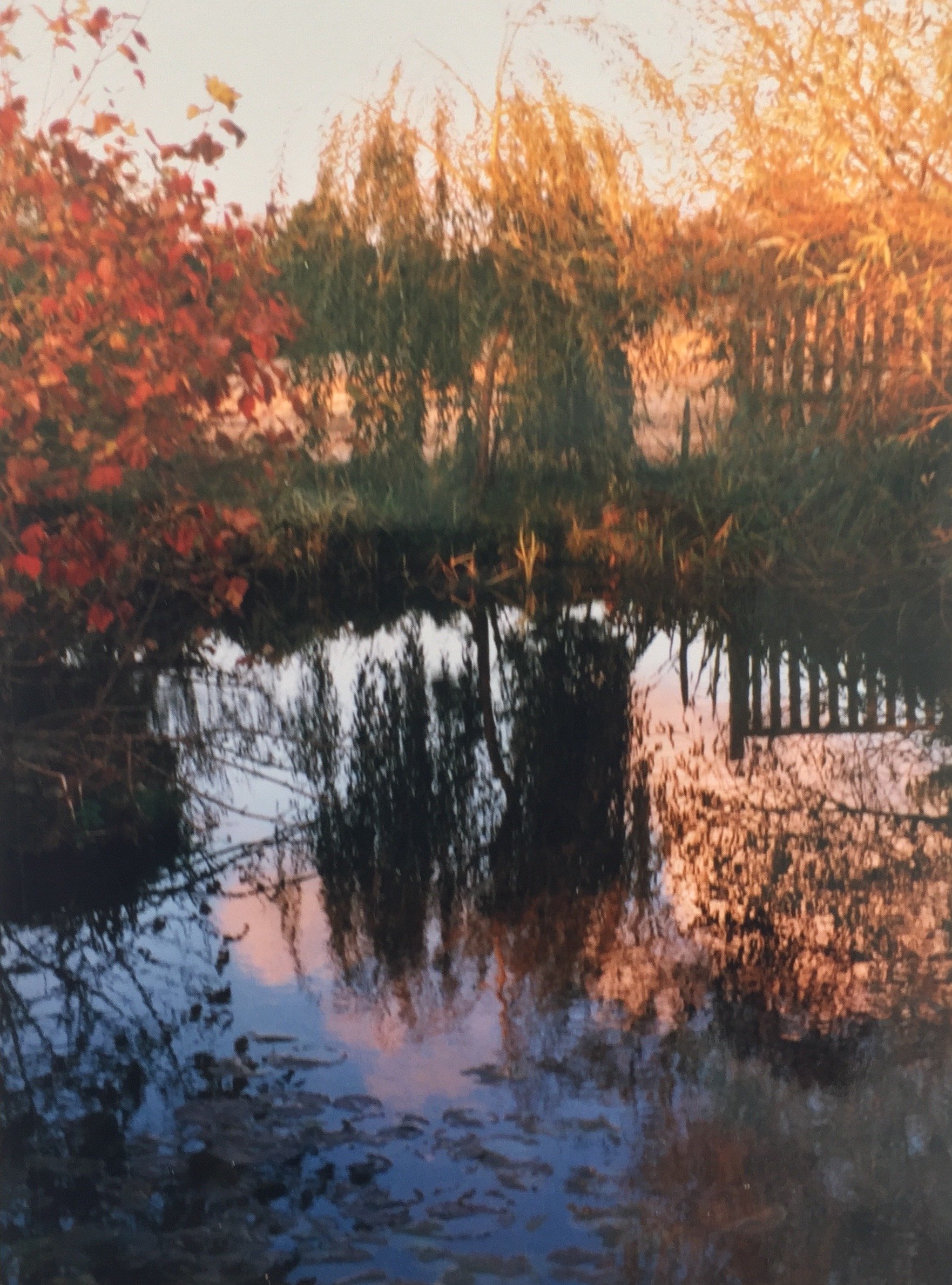
Kelling Pond
This series of paintings was shown in the autumn of 1998 at the ‘A’ Gallery on the spacious ground floor of Will Alsop’s architectural practice in Battersea. The first sale was made to the driver of a car who had spotted the work through a floor-to-ceiling window during the private view when his car paused at the traffic lights.
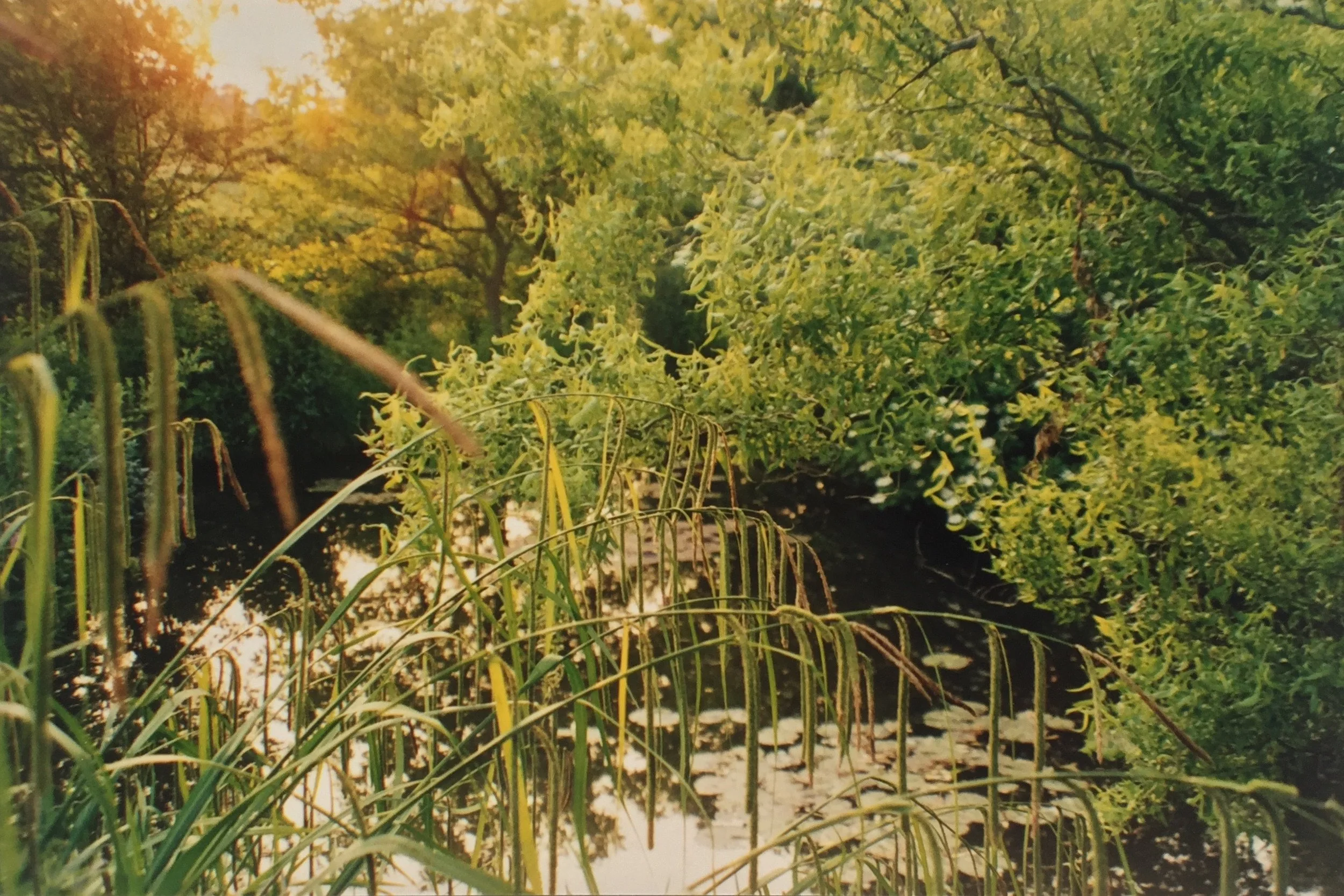
Kelling Pond
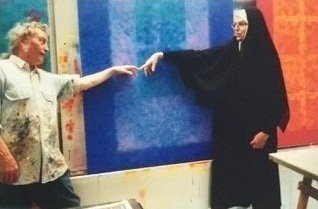
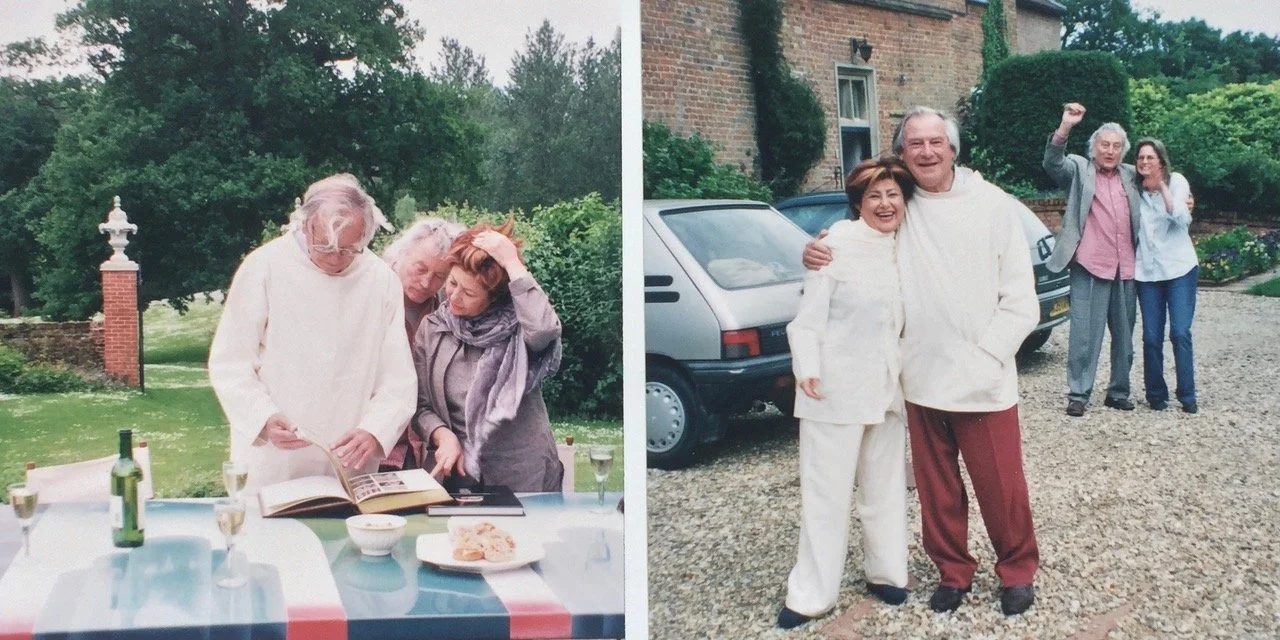
Donna Balma, an old friend of Nancy’s from British Columbia, who he had known from when they were all in St. Ives in the late 1950s, had become a dedicated Outsider Artist, and involved in Performance Art. One day when staying in Kelling, she surprised everyone around by assuming the guise of a Naughty Nun (below); Benjamin was quick to fall in with the spirit of sacred anarchy and assume the role of a Leonardo-esque Adam reaching out to touch the hand of God, in the dubious form of Donna, the Naughty Nun. Benjamin was always up for any form of fun that involved the Arts.
In September 1999, he led a committee of locals who organized the The Kelling Festival of Arts and Music, with the successful aim of raising funds for purchasing musical instruments for the young pupils at Kelling Primary School, but also for the pleasure of the company of a wide range of creative people, including Roger Brown the witty writer who interviewed Benjamin at length on tape, and was a frequent guest.
John Hedgecoe (seated on the right), a photographer known for his photos of Henry Moore and for establishing the Photography Department at the Royal College of Art, was a frequent Kelling visitor, and Benjamin and Nancy would visit him at Oxnead Hall, near Aylsham, where he was living and restoring the elegant historical building.
One day they took Suad Al-Attar, a well-known Iraqi artist (in photos below), to meet Hedgecoe. She lived in London, exhibited at the Graffiti Gallery and made etchings at Clarendon Graphics with Benjamin.
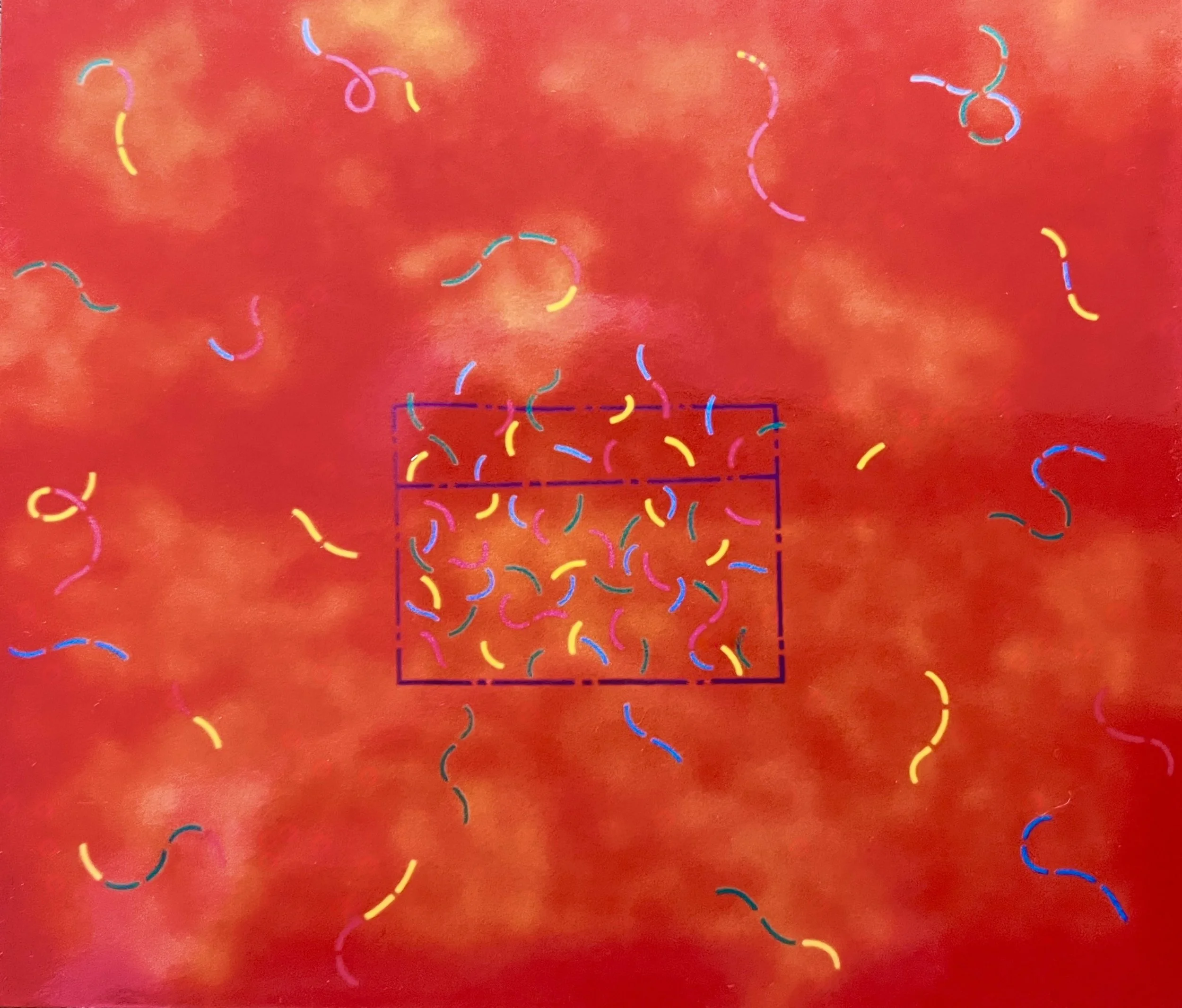
Pandora’s Box, acrylic on canvas, 1995
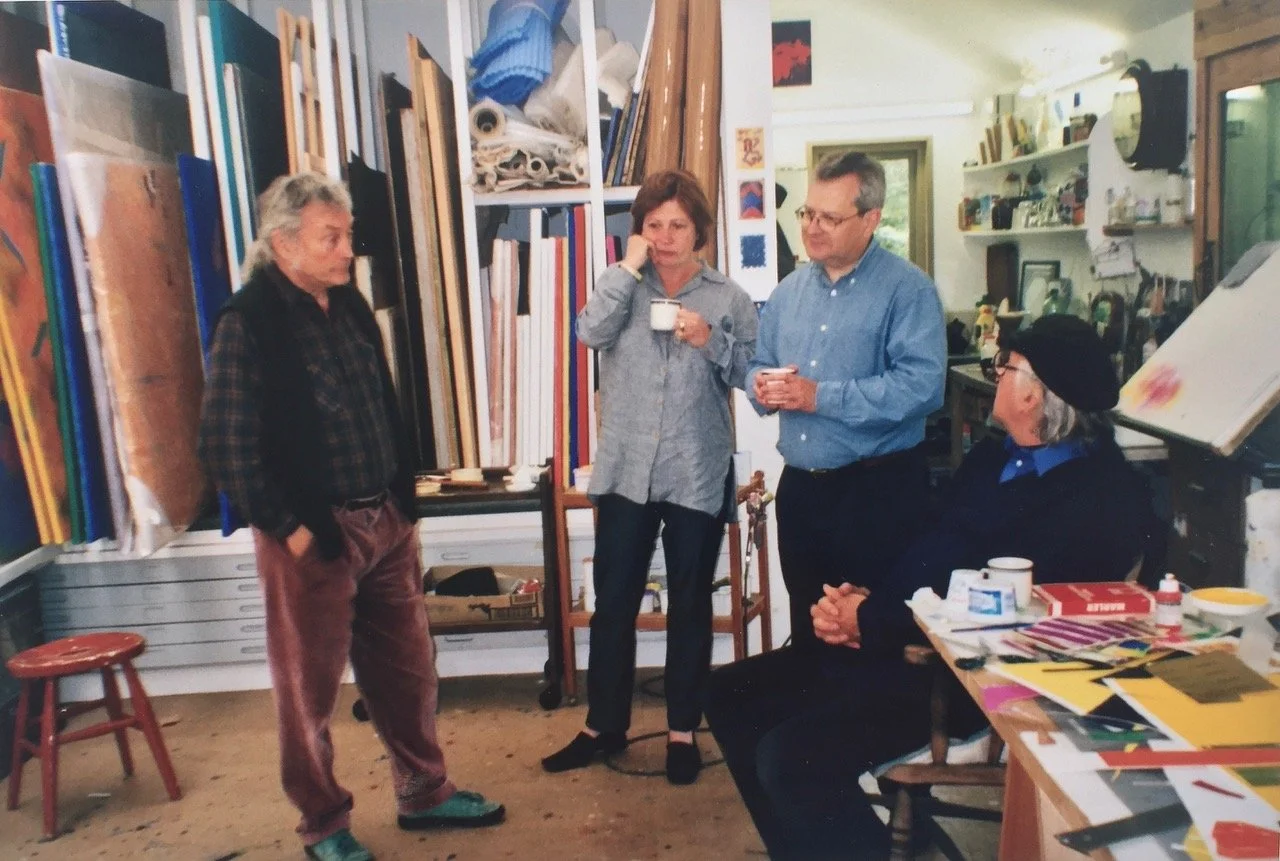
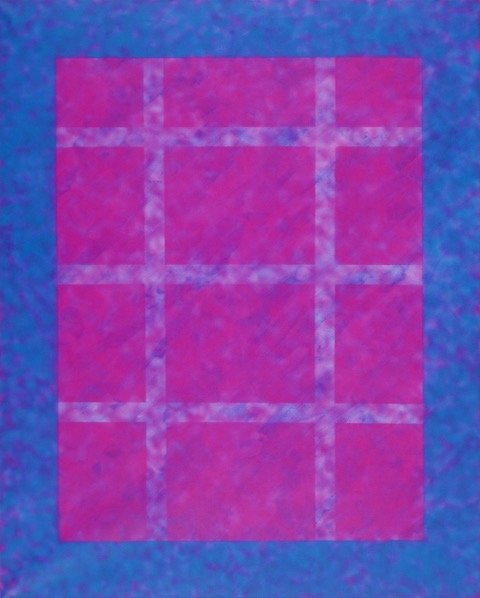
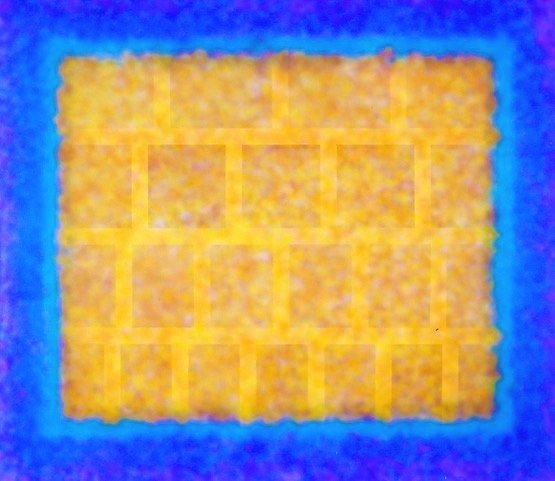
All of these paintings were exhibited at the ‘A’ Gallery in London on October 15, 1998. Most were untitled.
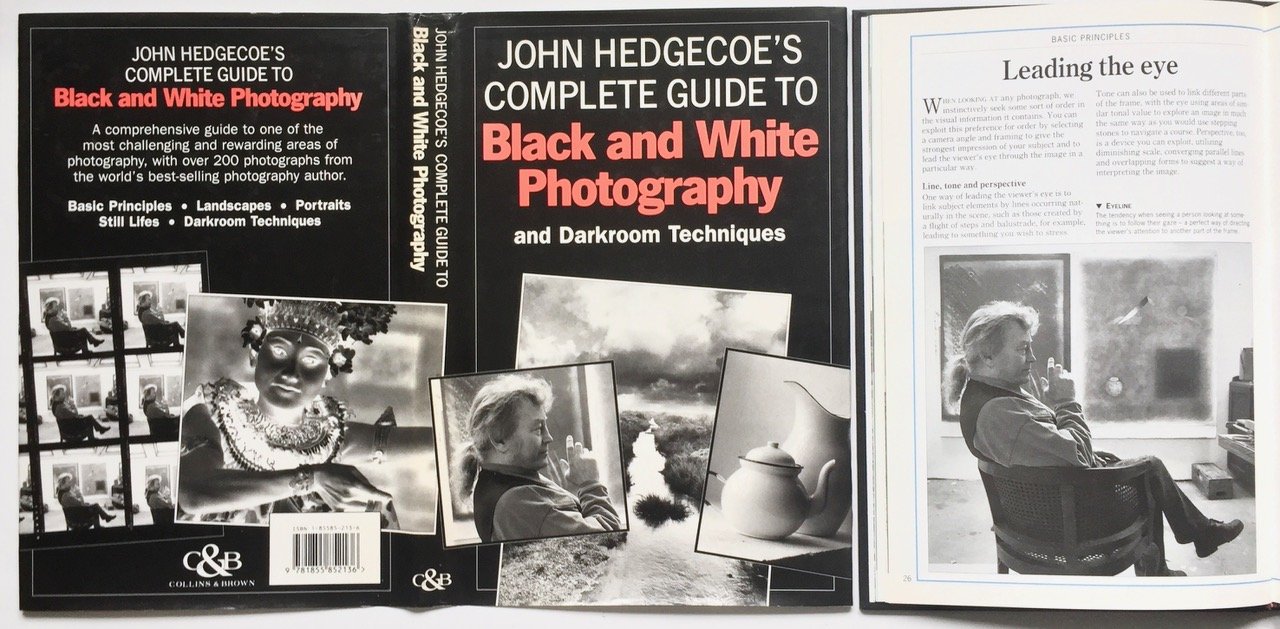
When Hedgecoe was composing his Complete Guide to Black and White Photography, he placed a portrait detail of Benjamin on the cover, the full-size photo of him seated in front of two drawings on a page titled Leading the Eye and six of the contact prints of that photo, on the the back cover. When the book was published, he gave Benjamin a copy, with a jokey dedication: For Anthony, the best model in the book, June 1995. Hedgecoe was full of fun as well as artistic skill, like Benjamin, and that is probably why they got on so well.
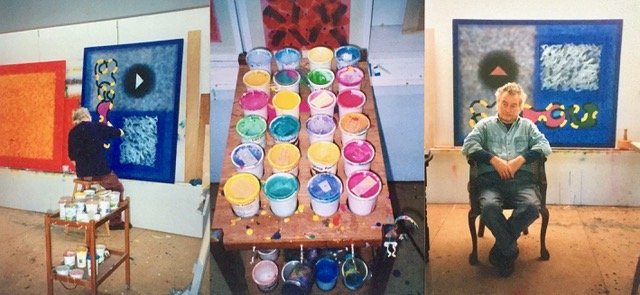
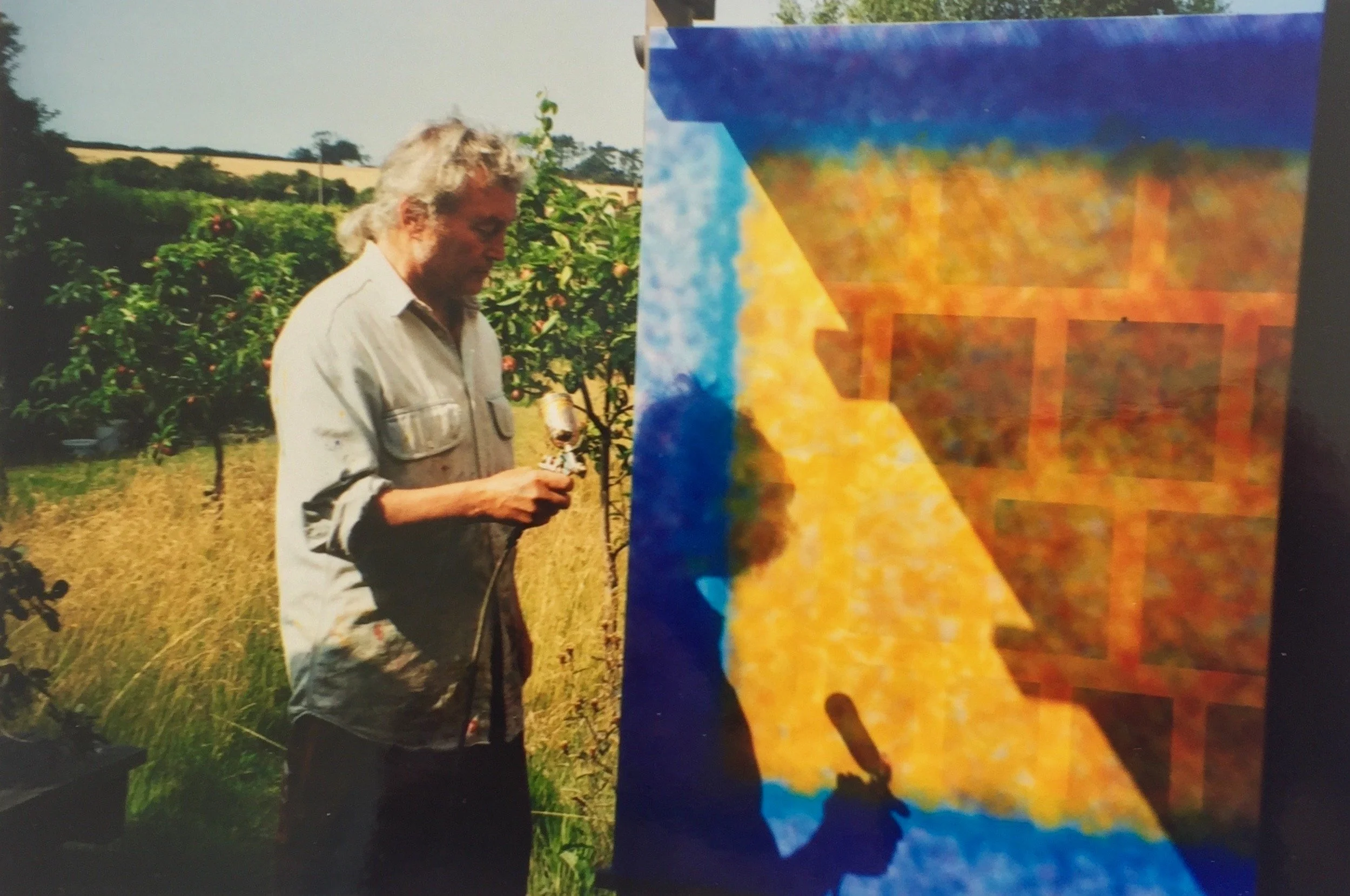
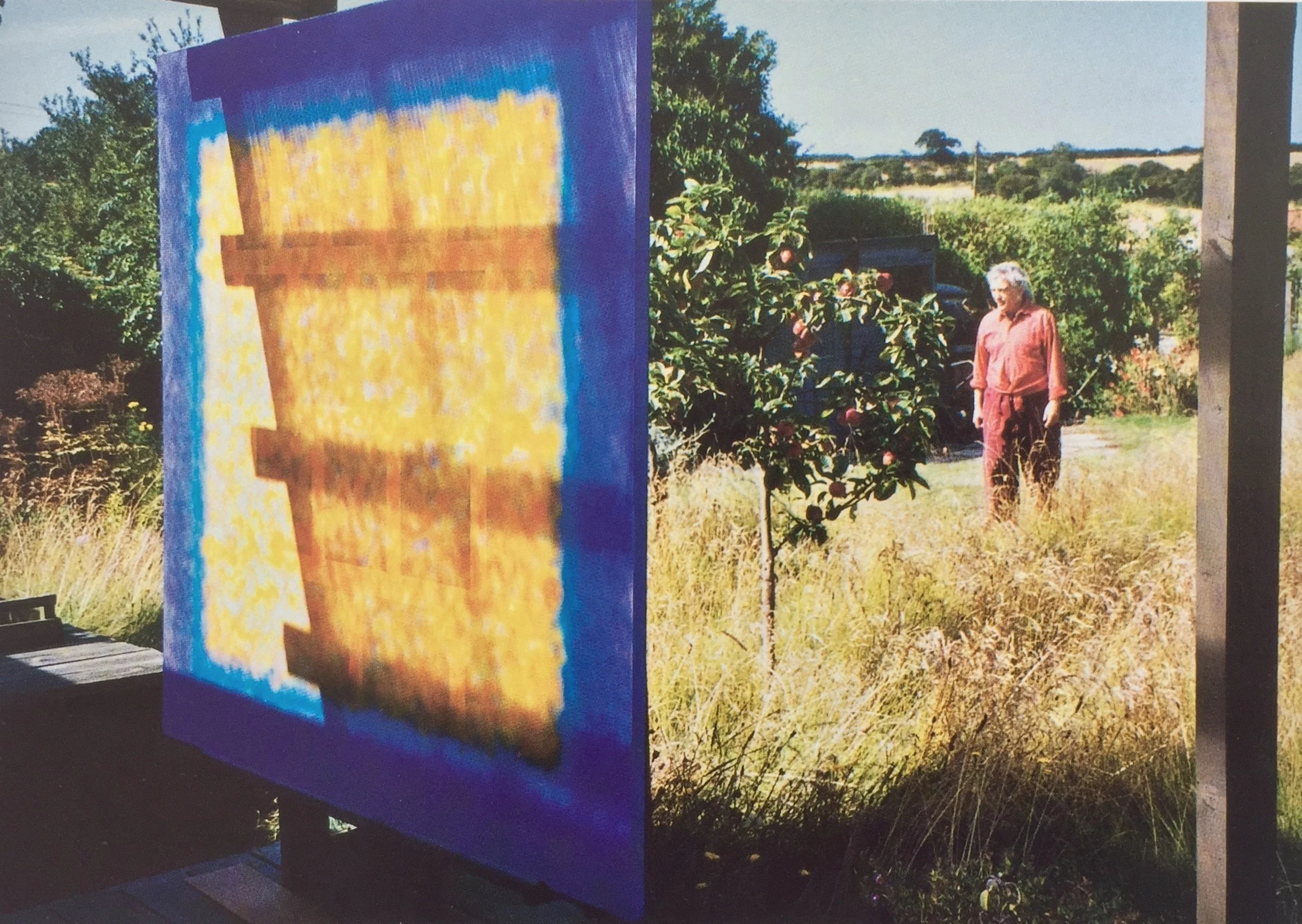
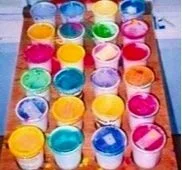
Benjamin purchased a spray gun and started covering large canvases in a rhythmical but slightly uneven doodling-type pattern, using close-toned colours that did not completely block the reflective white surface underneath. He used one or two, sometimes more, close tones to produce an all-over, flickering, cloudy effect. He then used masking and spraying again to make margins parallel to the edges of the canvas, and geometric forms, mostly squares, or circular forms that floated over the surface in compositions, similar to those in the graphite Painting in Pencil series he had worked on in previous years.
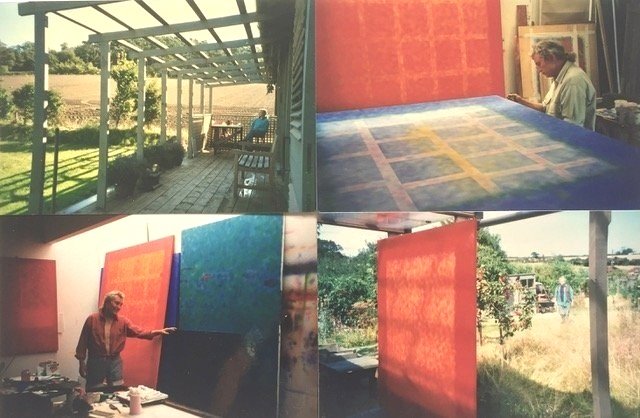
Benjamin was happy to be in the studio by himself or with Nancy, priming canvases and in preparatory work, but he was also sociable and was frequently host to friends who came to visit. Eric Smee, a fine photographer and helpful neighbour who lived in the other half of their ‘L’ shaped cottage, was a skilled craftsman who had worked with Benjamin and Nancy on the cruise ship art installations, and was always on hand with practical assistance when needed. Many other visitors were also artists which pleased Benjamin because he liked discussing what he was doing, as well as hearing their opinions. Anna Pugh (in the photo below), a longtime friend and imaginative painter, who understood his work well, was amongst his favourites guests, as well as the zany curator, Susan Subtle, and jazz and art loving political journalist, Lloyd Watson, from San Francisco.